





by Br. David Couturier
The following is an excerpt from an address Brother David gave on Feb. 2 to the Greater Olean Association of Churches on the 1,700th anniversary of the first Christian ecumenical council of Nicaea. He works at St. Bonaventure University in western New York State as director of the Franciscan Institute, associate professor of theology and Franciscan studies, and director of university planning.
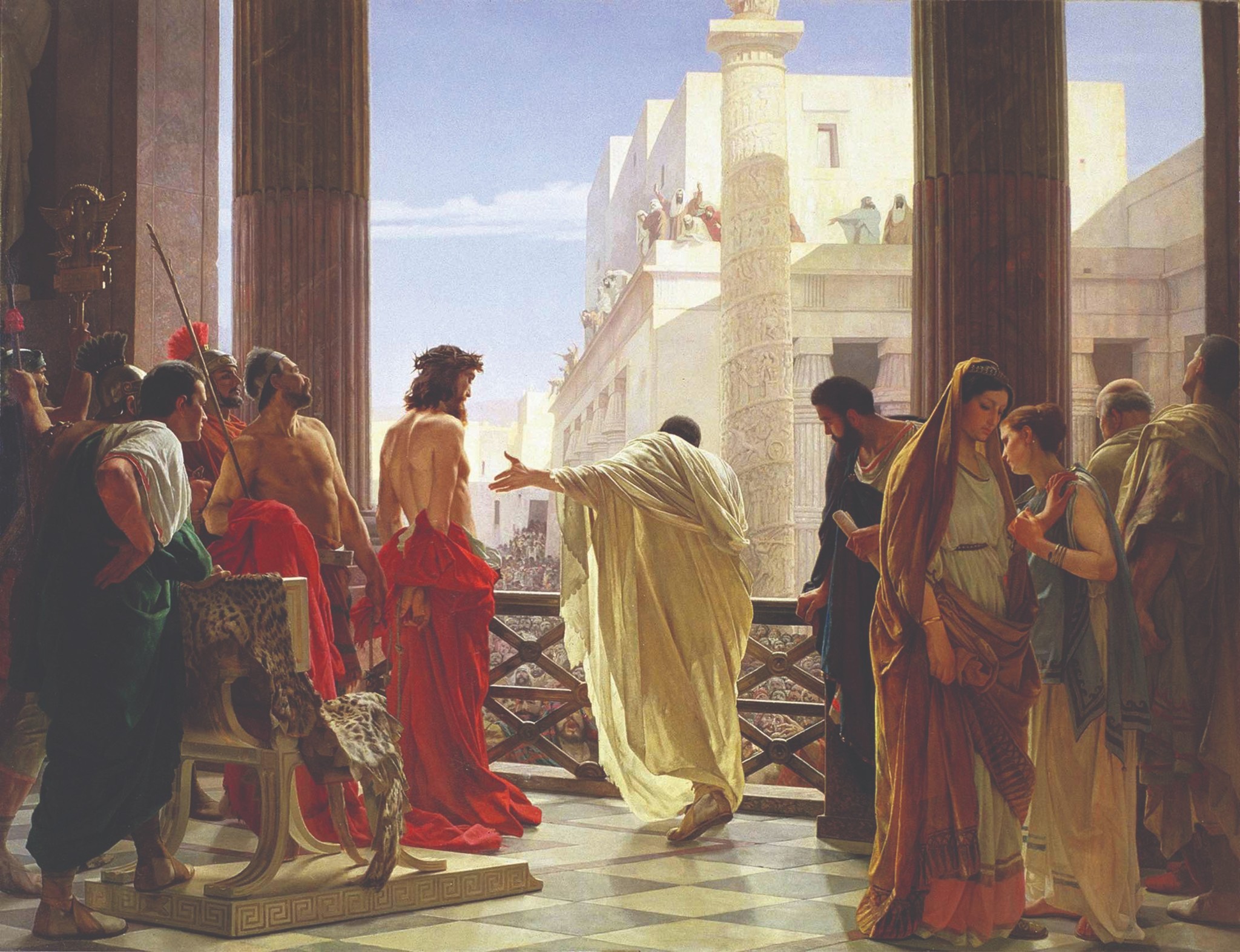
The historical record of Jesus of Nazareth outside of the Gospels and the Letters of Paul, Peter, and John is quite meager. The sad fact is that we have very little historical data on most of the essential figures of ancient history. However, there are two things that are said of Jesus by historians of the day: 1) he was a man who did “great deeds,” he was known as a man of miracles, healings and exorcisms; and 2) he was sentenced to death by Pontius Pilate and executed by the Romans.
It is curious that the Nicene Creed mentions explicitly and forthrightly that Jesus “was crucified under Pontius Pilate.” As I have said, the creed is a very compact and concise statement. No other human person is mentioned except Mary, Jesus’ mother, and Pontius Pilate. There is no mention of Peter, James, or John. There is no word about Mary Magdalene, who first saw and announced him as risen. Lazarus, whom Jesus raised from the dead, is not a witness in this primal text of Christian identity. But Pilate is in the creed in a very explicit way.
Is it not curious that the Nicene Council fathers would have remembered and affixed Pilate’s name to our memory and our liturgical practice every Sunday for the next thousands of years? Why? Theologically, what can we make of this curious addition to our creedal formula and liturgical ritual? And what does it say to us about the pastoral nature of the creed? The answer to this question will lead us to our task: what does it say about our ecumenical task today?
A Subversive Addition
Our question, then, is why did the council fathers add the phrase, “he was crucified under Pontius Pilate”? Why remember him in a creedal formula by name? Wouldn’t it have been enough to say that Jesus was “crucified, died, and rose from the dead on the third day”? By that time, the gospels had been disseminated around the world. The manuscripts of Matthew, Mark, Luke, and John all referenced the brutal actors of that horrific Good Friday. Christians and Jews would certainly have remembered the shameful actions of Pilate, Herod, and Caiphas, along with the apostles who ran away. So, why remember Pontius Pilate and not Judas Iscariot?
Are the council fathers being a bit subversive and disruptive? After all, the council fathers had been invited to Nicaea cordially and with great hospitality by the new leader of the Roman Empire, Constantine. Why remind the churches around the Roman Empire, at this very sensitive time of ecclesial integration into the empire, that one of their own Roman administrators, handpicked by Caesar himself, had sentenced the “Lord of life” to an excruciating torture and death? Perhaps the point is to remind Constantine that not only had Jesus suffered under Roman blindness and brutality, but so had they. So had the whole Church suffered intensely under persecutions across the empire for generations.
The phrase about Pilate speaks to the extent of God’s self-giving love revealed in Christ’s suffering under the unilateral rule and regime of Pontius Pilate. As theologian John Milbank says, “God’s life is one of eternal gift, of trust that gives itself wholly and receives wholly.” The statement is not simply a historical locator that marks a particular time, period, and place. It is more: a radical declaration of God’s solidarity with the blind and the lame, the weak and vulnerable, in the world of emperors and empires. It is a reminder of Christ’s sacrificial love as the means and model of our salvation. The heroic ideal of Christianity breaks through the brutality of the ancient world’s prescription for social stability. It is a declaration of the place of humility in the program of Christian leadership.
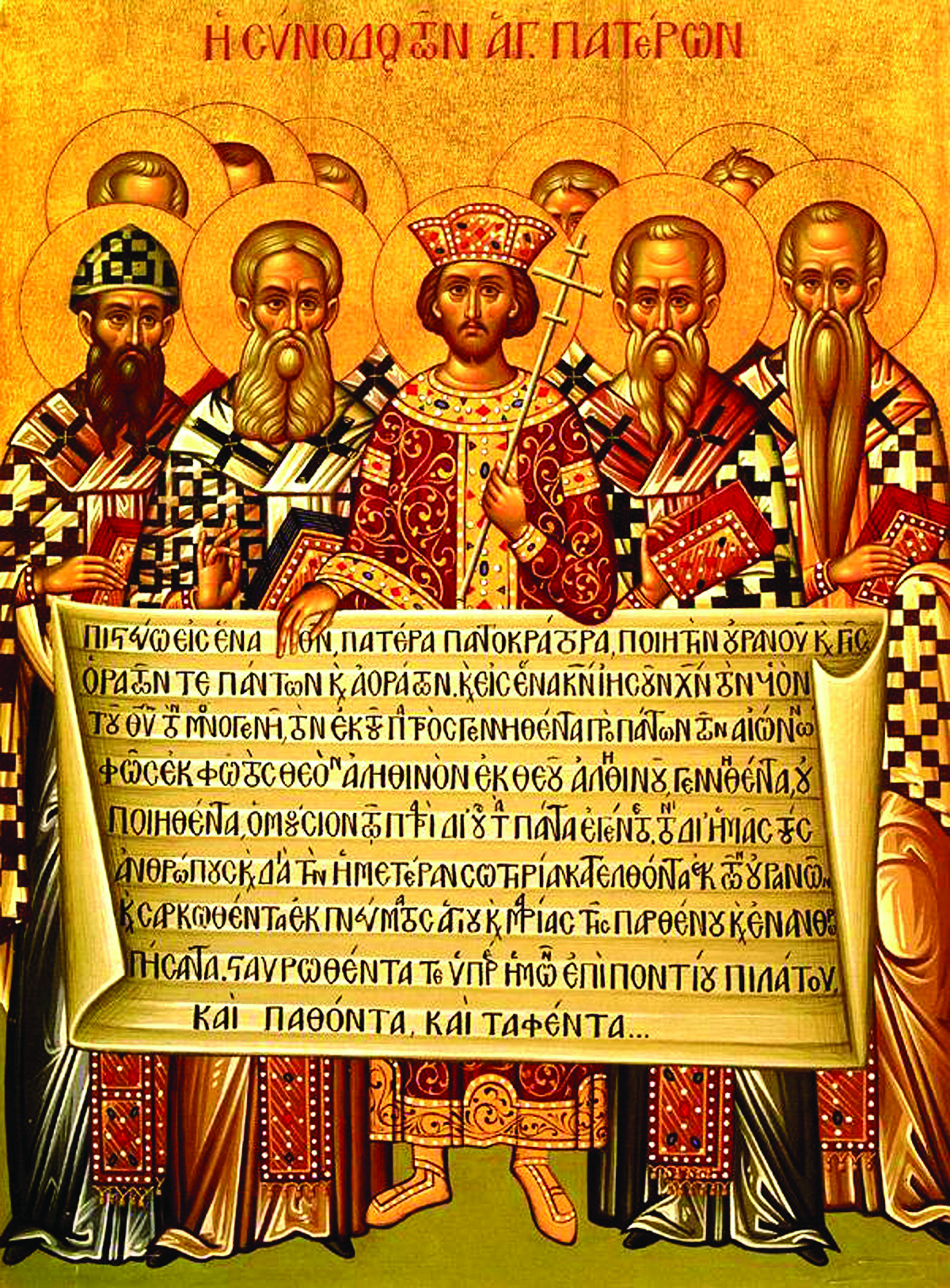 Every time we pronounce the creed and speak of Christ’s suffering under Pontius Pilate, we are reminded of how susceptible we are to the whims and the fancies of narcissistic leaders in every generation. Though he is “God from God, Light from Light, true God from true God” and now reigns at the right hand of the majesty of the Ancient of Days, he once suffered under the dark powers of this world and the darkest forces of evil. Jesus was “under” Pontius Pilate, and there are many today who are under cruel regimes, vicious powers, greedy oligarchs, and narcissistic leaders.
Every time we speak this phrase on Sunday mornings, we are reminded of what it means to be under Pontius Pilate, whether in Jesus’ day or our own. Innocence notwithstanding, it is easy to be arrested, indicted, convicted, sentenced, and even executed when one is vulnerable or made so by social means. The creed is a loud reminder that “attention must be paid” as long as there are regimes in search of power and pride.
Ecumenical Trust and Sacrificing Love
Where does that leave us in our day as Christians who profess one faith and one baptism in Jesus Christ? What might the creedal phrase “he suffered under Pontius Pilate” mean for us, whether we serve in churches or supermarkets, in credit unions or universities? How can we move forward together, in one faith and one baptism, to meet the challenges of a world that suffers still “under Pontius Pilate”?
This short reflection proposes fundamental principles for a new attitude and action in ecumenism: ecumenical trust and sacrificial love.
First, we need to be witnesses of trust. As we have seen, our God is a community of infinite trust, and we are God’s image-bearers of that infinite trust. Again, let me quote John Milbank: “The Church, too, is a community where differences are reconciled not by force, but by trustful engagement and faithful dialogue.” As churches, we need to trust that God is calling us to a new unity in faith so that a world suffering alienation, isolation, and loneliness might find a new space of reconciling love.
Second, we are called to a sacrificing love in imitation of the Christ who suffered under Pontius Pilate for our good and our salvation. “He suffered under Pontius Pilate” reminds us of God’s willingness to embrace human weakness, vulnerability, and suffering for the sake of humanity. As Archbishop Rowan Williams reminds us, “In sacrificial love, we find the courage to lay down our insistence on winning debates or holding onto our distinctions, and we take up the call to unity through humility and grace.” We will not arrive at unity through coercion or compromise but only through self-sacrificing love that mirrors the internal life of the Trinity as a community of infinite trust.
The question arises: Have we limited the goal of our ecumenism to mutual understanding, an exercise of theological awareness? Mutual understanding is essential for building strong, respectful, and productive relationships. Its ultimate goal is to create a harmonious environment where individuals or groups can thrive, collaborate, and coexist peacefully. Mutual understanding is a shared comprehension or agreement between individuals, groups, or parties. It involves the recognition, respect, and appreciation of each other’s perspectives, values, feelings, and intentions. This concept goes beyond mere communication; it requires active listening, empathy, and a willingness to bridge differences for a common purpose.
But doesn’t the “suffering under Pontius Pilate” require more of us? Does it not demand “sacrificing love” in the journey to unity? Do we understand one another enough to sacrifice love for and with one another?
Sacrificing love in the Christian life is profoundly transformative, requiring ongoing surrender, grace, and discipline. It is a response to God’s love for us and a reflection of Christ’s love for the world.
Sacrificing love requires the following elements in our ecumenical relations with one another: 1. Total surrender to God. 2. Selflessness. 3. Forgiveness and mercy. 4. Willingness to suffer for others. 5. Unconditional love. 6. Imitating Christ’s example. 7. Bearing the Cross. 8. Commitment to the community. 9. Dependence on God’s grace. 10. Joy in sacrifice.
Conclusion
The question before us today is stark and challenging. Are we ready to do more than “understand” one another, to recognize and appreciate our positions, interests and insights, however necessary and important that virtue is in our relations with one another? Are we willing and able to take the next step and enter an experience of sacrificing love for one another? Tolerance as a form of sympathetic understanding is an Enlightenment virtue, not yet a Christian one. We are called to more because we have been loved beyond our wildest expectations and are the witnesses of a new creation that has broken the boundaries of male and female, Gentile and Jews, slave and free. Suffering love under Pontius Pilate is deeply transformative, requiring ongoing surrender, grace, and discipline. It is a response to God’s love for us and a reflection of Christ’s enduring love for the world.